MIT's New Faculty Hype Masking a Deeper Crisis in Academic Science Hiring

MIT's 2024 faculty influx isn't just academic growth; it signals a brutal consolidation of elite **science research** power.
Key Takeaways
- •MIT's new faculty appointments are a strategic move to lock down future grant funding and IP.
- •The hiring war drains resources, causing a 'brain drain' from less endowed institutions.
- •Expect increased centralization of breakthrough science in a few elite US universities.
- •The focus on high-yield fields might sacrifice necessary, but currently unfashionable, basic science.
The Illusion of Expansion: Why MIT's New Hires Aren't What They Seem
Every year, the announcement drops: the School of science" class="text-primary hover:underline font-medium" title="Read more about Science">science" class="text-primary hover:underline font-medium" title="Read more about Science">Science at MIT has welcomed a fresh cohort of brilliant minds. The official press release reads like a victory lap for **academic science research**. But look closer. This isn't just about adding talent; it’s about strategic triage in a zero-sum game for global research dominance. The unspoken truth is that while MIT celebrates these additions, the broader landscape of **university hiring** is becoming a hostile environment for everyone else. We are witnessing the final consolidation phase of elite scientific power. These new hires—likely superstars poached from R1 institutions or fresh PhDs from the absolute top 1%—aren't just filling gaps; they are aggressively cornering the market on federal grants, proprietary technology licensing, and the next generation of Nobel laureates. They represent an unassailable fortress of intellectual capital.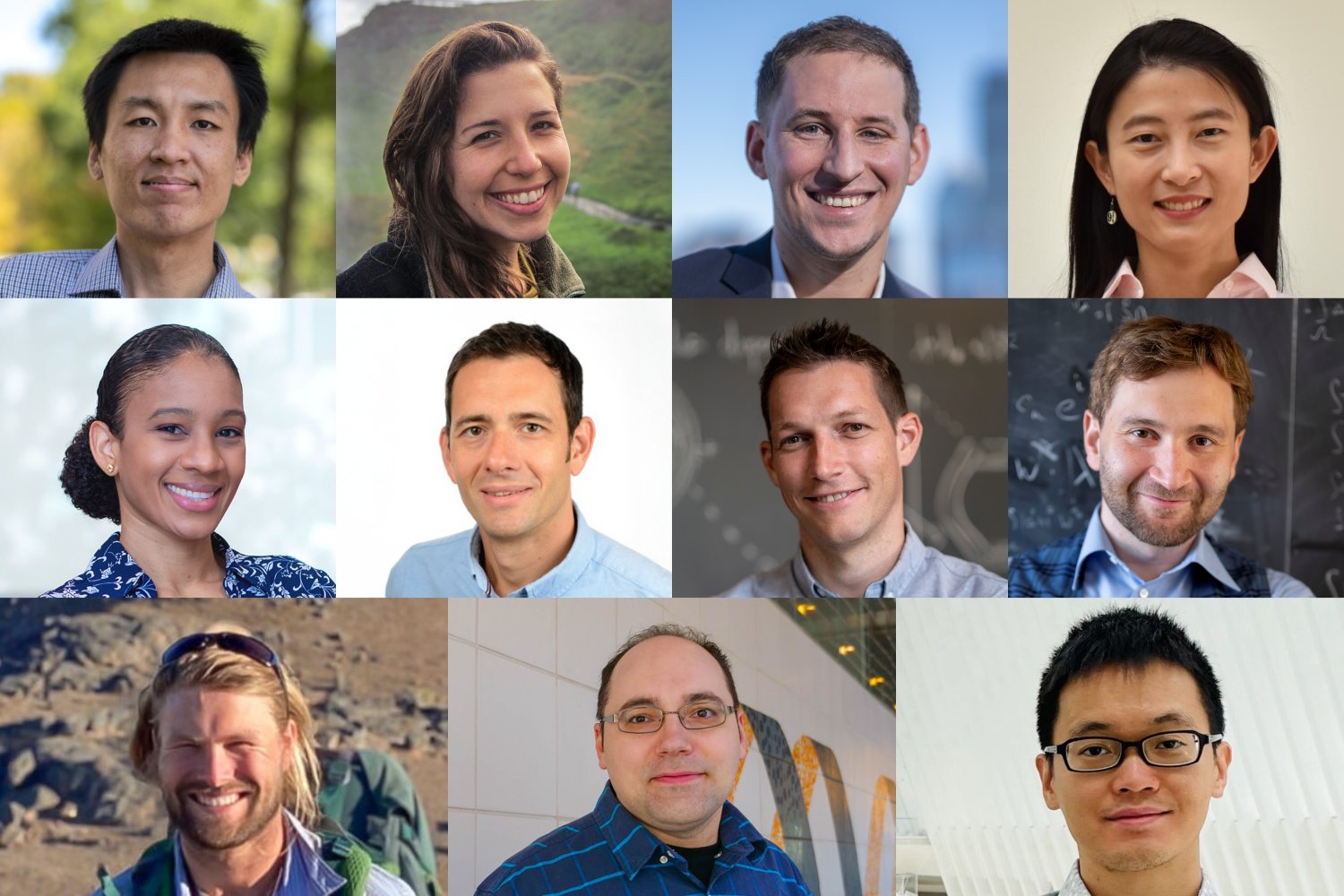
The 'Why It Matters': The Fissure in Scientific Funding
The immediate impact is hyper-specialization. MIT isn't looking for generalists; they are seeking anchors in high-yield, high-risk areas—quantum computing, synthetic biology, and advanced materials. This aggressive recruitment war inflates salaries and resource demands, effectively starving mid-tier institutions. When MIT hires a rising star in computational physics, that star leaves behind a vacuum that smaller departments cannot afford to fill with equivalent caliber talent. This widens the gap between the 'haves' (the elite R1s) and the 'have-nots' dramatically. This stratification directly impacts equitable access to groundbreaking discoveries and limits the diversity of scientific thought concentrated in just a few zip codes. Consider the economic reality. The cost of maintaining this level of **science research** excellence is staggering. The new faculty are not just paid salaries; they require multi-million dollar lab build-outs and dedicated administrative support. This signals a massive internal bet by MIT leadership that massive public and private funding pipelines will remain robust—a bet that might be dangerously overconfident given current geopolitical instability and shifting federal budget priorities. For every high-profile hire, there's a quiet cancellation of an entire research track at a less endowed school.What Happens Next: The Rise of the 'Research Cartel'
My prediction is that within five years, the output disparity between the top five US science institutions and the rest of the field will become statistically undeniable. We will see the emergence of what I call the 'Research Cartel'—a small group of institutions that effectively control the narrative, the talent pipeline, and the patents that drive future technological economies. Smaller universities will pivot away from expensive, high-risk basic science toward applied, industry-funded programs, becoming technical colleges rather than pure research hubs. The freedom to pursue 'blue sky' research, the bedrock of true innovation, will shrink to a handful of heavily endowed labs. This centralization is a threat to scientific diversity and resilience. For more on the challenges facing higher education funding, see reports from the Brookings Institution. **The Contradiction:** While these new hires promise innovation, the very mechanism of their recruitment accelerates inequality, potentially stifling the next generation of radical, outside-the-box thinkers who don't fit the current high-value mold. The pursuit of perfection leads to homogeneity.TL;DR: Key Takeaways
* MIT's faculty growth is less about expansion and more about aggressively consolidating elite **science research** power. * This hiring spree exacerbates the funding gap between top-tier and mid-tier universities. * The future points toward a 'Research Cartel' controlling major scientific output and patentable innovation. * The focus is intensely narrow, risking a loss of diverse, blue-sky research paths. Reuters and the New York Times have both recently covered the increasing stratification in American higher education funding models.Frequently Asked Questions
What is the primary risk of elite university faculty consolidation?
The primary risk is the reduction of scientific diversity and increased vulnerability. If a few institutions control the majority of cutting-edge research, unforeseen economic or political shifts could destabilize a large portion of global innovation simultaneously.
How does this affect mid-tier universities' ability to compete?
It makes competition nearly impossible. Top schools can offer unparalleled startup packages, lab space, and salary, forcing mid-tier schools to either abandon high-risk basic science or accept significantly less competitive faculty candidates.
Are these new hires guaranteed to produce major breakthroughs?
Not necessarily. While the talent pool is elite, extreme institutional pressure and the hyper-focus on pre-approved, high-ROI research areas can sometimes stifle the truly revolutionary, unexpected discoveries that often come from less constrained environments.
What keywords should I track regarding future science funding?
Focus on 'R1 funding consolidation,' 'NSF budget allocation,' and 'NSF grant success rates' to gauge shifts in federal support for **academic science research**.