The ADHD Entrepreneurship Myth: Why 'Integrity' Is Just The New Buzzword For Burnout

Unpacking Eran Mizrahi's claims on integrity in ADHD entrepreneurship reveals the hidden cost of 'hustle culture' in tech.
Key Takeaways
- •The focus on ADHD 'genius' often masks unsustainable, high-burnout operational models.
- •Integrity is currently used as a performance metric to reassure investors, not as a core operational philosophy.
- •The next successful founders will prioritize systemic sustainability over individual spectacle.
- •The current system rewards novelty, forcing neurodivergent founders into a cycle of performance.
The Hook: Is Your Diagnosis Your Business Plan?
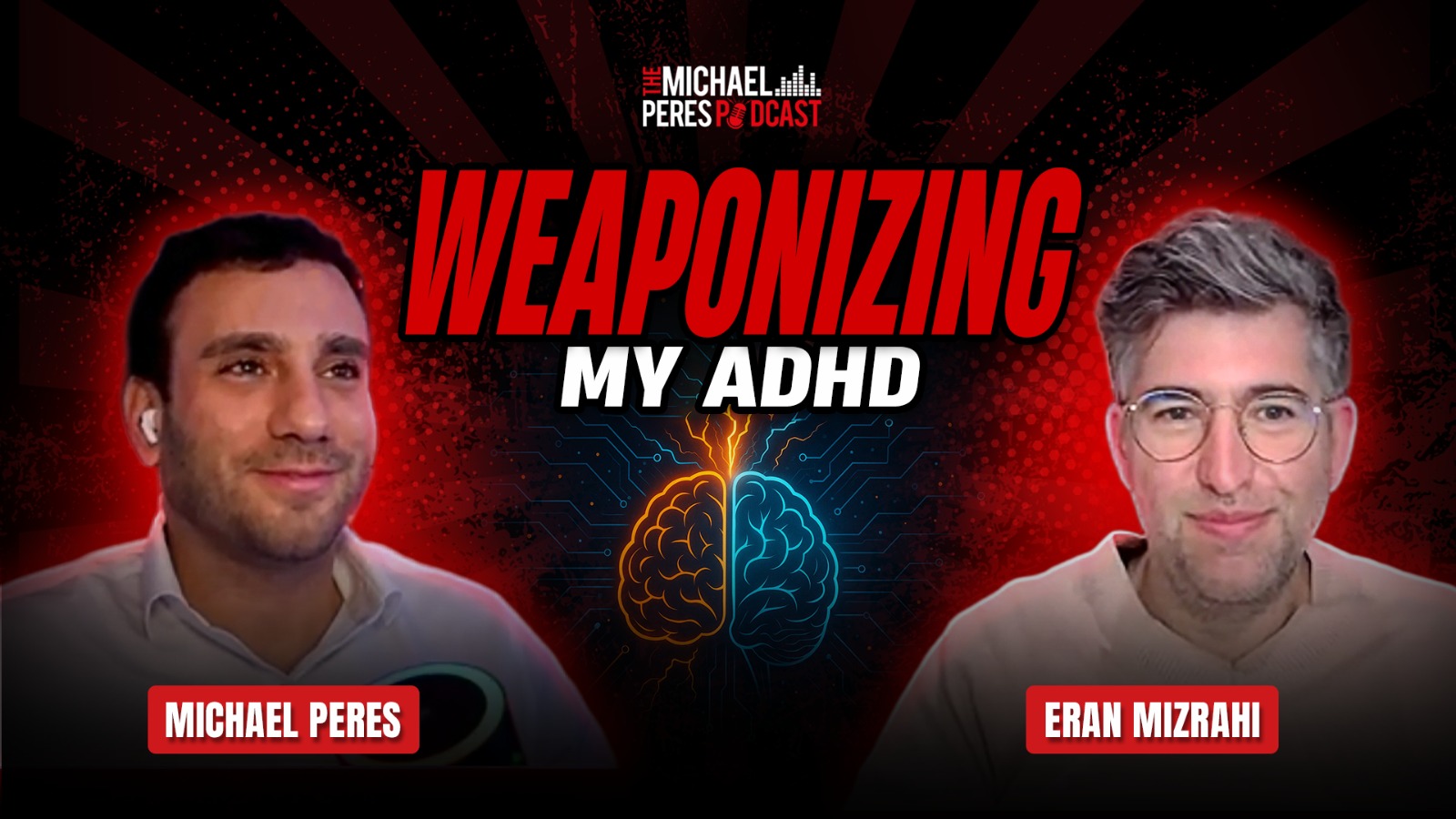
We are drowning in content celebrating the neurodivergent founder. The narrative, championed by figures like Eran Mizrahi on podcasts like Block Telegraph, posits that ADHD is the secret sauce for entrepreneurship success. But let’s strip away the inspirational veneer. The unspoken truth about ADHD entrepreneurship isn't about innate genius; it’s about whether the current economic structure is designed to exploit hyper-focus or genuinely support sustainable growth. The obsession with 'building with integrity' often masks a desperate need to appear stable while running on fumes.
The recent discussion involving Mizrahi highlights a recurring theme: the conflation of high-energy, risk-taking behavior—hallmarks of certain ADHD presentations—with genuine, ethical business practice. This isn't analysis; it's marketing. True entrepreneurship requires systems, not just sparks.
The 'Why It Matters': Integrity as a Performance Metric
When an entrepreneur known for rapid pivots and intense bursts of activity preaches 'integrity,' we must ask: integrity to what? To the market that rewards speed over substance? Or integrity to a fragile internal structure that requires constant, unsustainable dopamine hits?
The real losers in this narrative are the founders who internalize this messaging and believe their inability to stick to a five-year plan is a moral failing, rather than a neurological reality colliding with outdated corporate expectations. The system doesn't reward stability from the neurodivergent founder; it rewards novelty and spectacle. 'Building with integrity' becomes the necessary defense mechanism to secure funding from VCs who are inherently skeptical of anything that doesn't fit the established mold. This is the hidden agenda: perform neurotypical stability while operating under neurodivergent chaos.
Consider the current state of venture capital. While Silicon Valley pays lip service to diversity, the underlying mechanics still favor predictable, linear growth, something antithetical to the ADHD brain's natural rhythm. Mizrahi’s insights, while perhaps well-intentioned, risk becoming another layer of performative wellness plastered over a fundamentally broken framework. For more on the systemic biases in funding, see analysis from organizations like the Kauffman Foundation.
What Happens Next? The Great Unbundling of the Founder Myth
My prediction is that we are heading toward a necessary, painful correction. The high-burnout rate among celebrated neurodivergent founders will become too visible to ignore. The next wave of successful entrepreneurship won't celebrate the 'ADHD genius' who pulls three all-nighters. It will celebrate the founders—neurotypical or not—who master the art of delegation, systemization, and sustainable pace. Integrity will stop being a buzzword and start meaning: 'Can you build a company that doesn't require you to sacrifice your health every quarter?'
The contrarian view holds that the true disruptors will be those who successfully decouple their identity from their output, rejecting the hustle culture that currently co-opts the ADHD narrative for viral content. We will see a rise in 'Quiet Founders' who leverage technology" class="text-primary hover:underline font-medium" title="Read more about Technology">technology for automation, not just attention. Read up on the history of innovation cycles to understand this pattern of hype and correction, as explored by historians like Walter Isaacson.
The current focus on the individual founder's struggle distracts from the need for structural change in how we define and reward successful business building. We need better infrastructure, not just better self-help advice. The reality is that even high integrity can’t outrun poor operational design. Look at the broader economic trends impacting small businesses according to the U.S. Bureau of Labor Statistics for context.
Frequently Asked Questions
What is the main criticism of the 'ADHD Entrepreneurship' narrative?
The main criticism is that it often romanticizes unsustainable burnout and high-risk behavior, framing neurological differences as automatic predictors of success without addressing systemic workplace barriers.
How does 'integrity' function as a buzzword in tech entrepreneurship?
In this context, integrity often serves as a defensive posture or marketing tool to signal trustworthiness to investors and consumers, sometimes masking underlying operational instability or aggressive growth tactics.
What is the predicted shift in successful entrepreneurship models?
The prediction is a shift away from the hyper-individualistic, burnout-glorifying founder model towards founders who prioritize robust systems, delegation, and sustainable operational pacing.
Related News

The Productivity Lie: Why Measuring Output is Destroying Your Best Talent
Forget KPIs and time tracking. The obsession with 'employee productivity measurement' is a managerial delusion that punishes innovation and rewards burnout.

The $500K Myth: Why Graham Health's Donation to Carl Sandburg Isn't About Science—It's About Talent Pipelines
The $500K commitment to Carl Sandburg's science center is a quiet battle for regional talent acquisition in healthcare.